Bhavya Daiya

Cybersecurity in a mini city: Designing engaging simulations

Balancing UX strategy with visual design in academic innovation

My Role

UX Designer & Visual Designer

Year

2023 - 2024

Key Outcomes

16

micro-credentials launched

3+

educational institutions involved

01. Overview

Macquarie University's Cyber Security Hub is home to the Cyber Range Training Centre (CRTC), a facility for hyper-realistic cyber-attack simulations. When I joined, the core physical asset existed, but a complete digital experience was needed to make it a viable educational program. My mission was to design this experience from end-to-end. This involved building the program's public website, designing/updating intuitive learning simulations for 16 micro-credentials, and streamlining the lab access journey for partner students from TAFE NSW.

Project note: balancing multiple design responsibilities

While hired as a UX Designer, this role evolved to encompass full-service design needs. Beyond UX research and interface design, I supported the team with visual design, presentations, posters, and web development - reflecting the adaptable nature of design roles in academic environments.
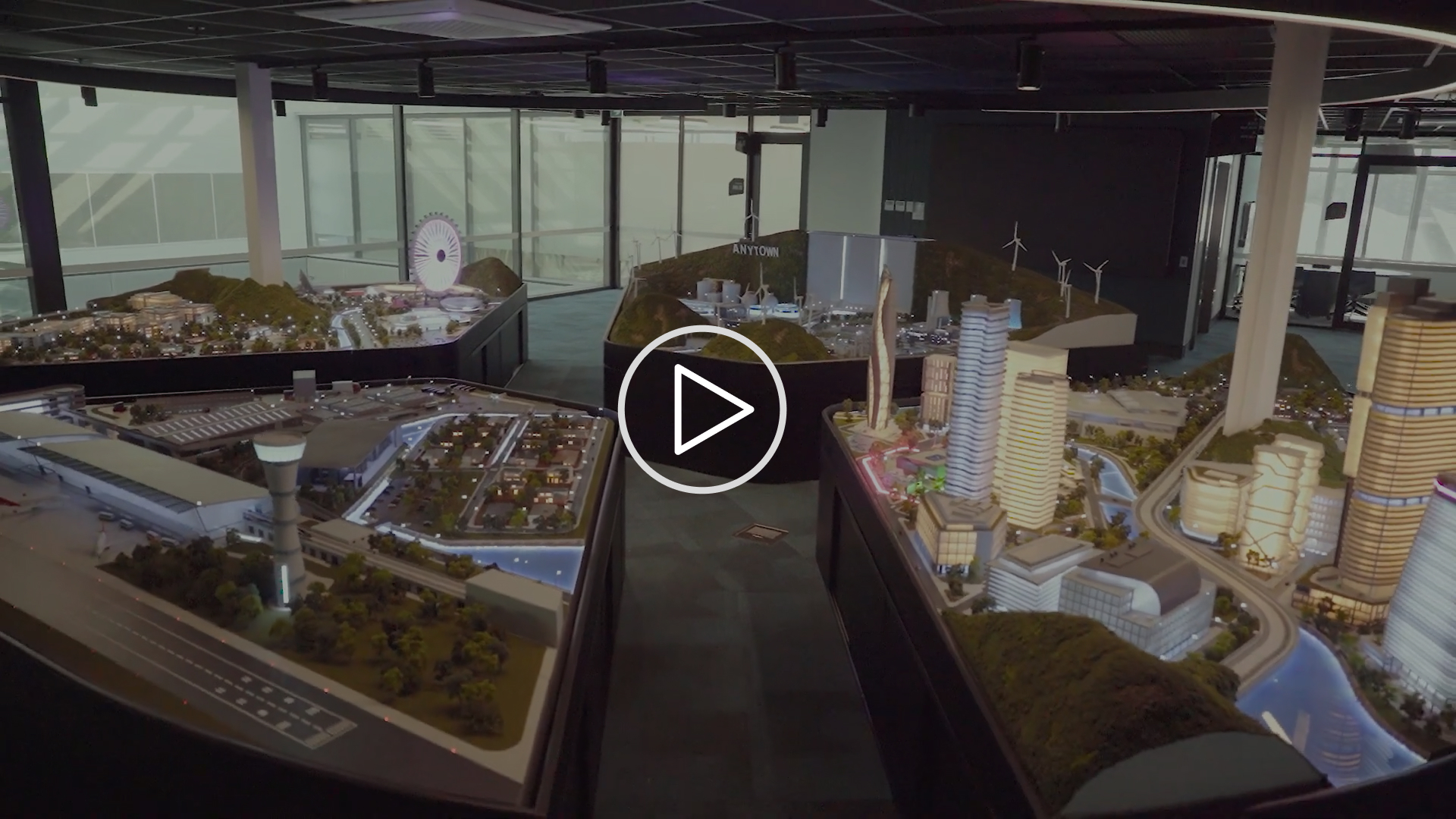
AnyTown 3D City demonstration video

02. My Role

As a UX Designer embedded within the MQ Cyber Security Hub, I balanced strategic UX work with broader design needs. While I contributed to design strategy and execution across various touchpoints, my role evolved to support the team's visual communication needs more holistically.

My responsibilities included:

  • UX Strategy & Research: Collaborating with Subject Matter Experts (SMEs) and educators to understand learning objectives and user needs.
  • Interface & Visual Design: Creating wireframes, user flows, and visual designs for learning simulations and interfaces.
  • Web Design & Development: Designing and building the CRTC's public-facing website and documentation portals.
  • Visual Communication: Creating presentations, posters, branding materials, and other visual assets to support the program's communication needs.

03. The Challenges

To be successful, the CRTC needed to solve three distinct user experience problems:

  • No Public Discoverability: The program had no website or public presence, making it impossible to attract students, explain the offering, or promote state-funded scholarships.
  • High Subject Matter Complexity: Abstract cybersecurity concepts like network intrusions are difficult for novices to grasp. The CRTC needed a digital interface to make these threats tangible and interactive for learners.
  • High-Friction Lab Access: The process for TAFE NSW students to access the MQU-hosted labs was a cumbersome, multi-login journey that created confusion and served as a barrier to learning.

04. Process and Solutions

I tackled these challenges sequentially, building out the student journey from their first point of contact to their final hands-on lab work.

1. Solution: Designing and Launching the Public-Facing Website

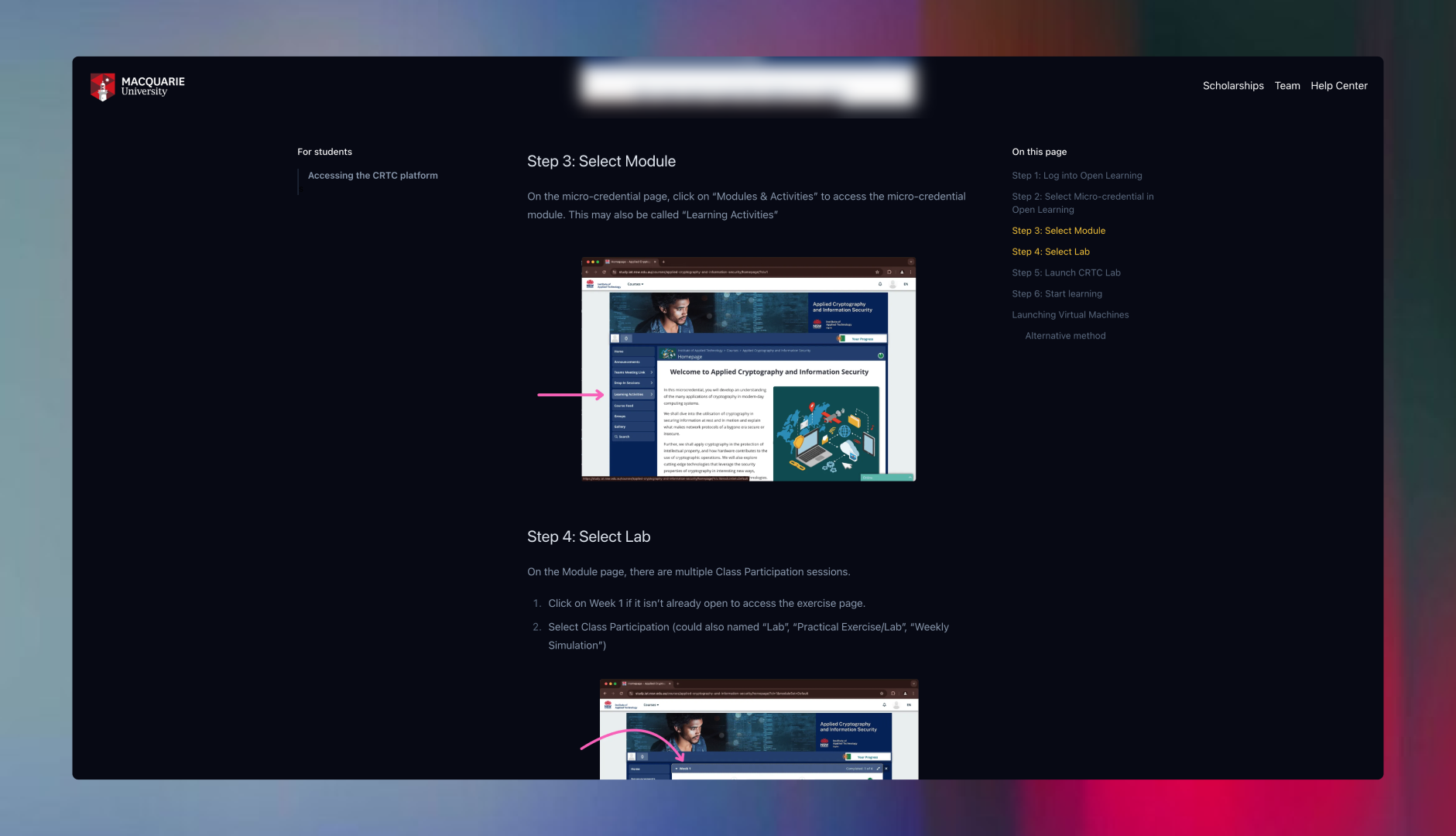
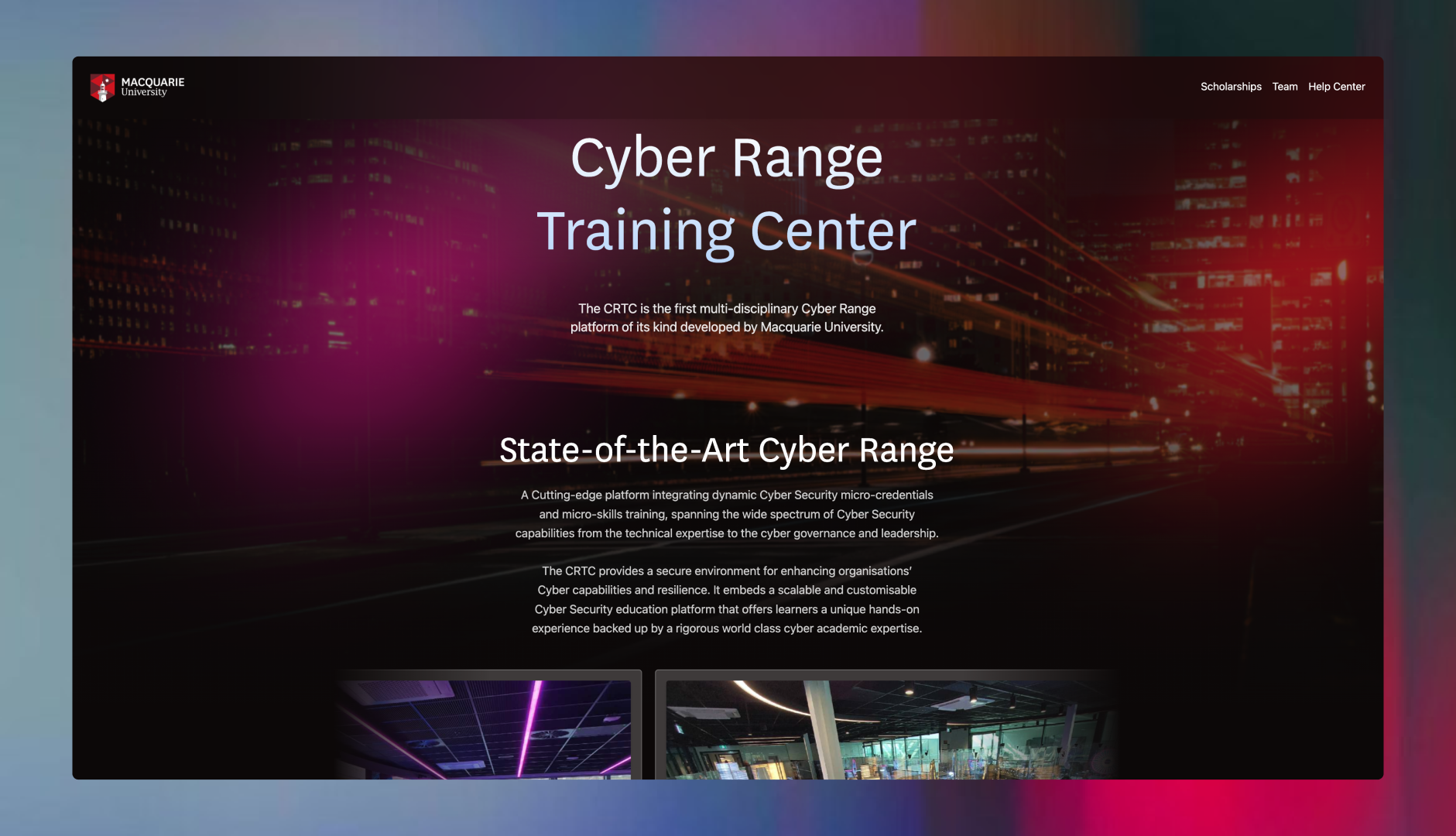
I first addressed the lack of a public presence. On a tight timeline, I designed and developed the CRTC's website from scratch using HTML/CSS. This created a professional and informative "front door" for the program, clearly communicating its value, detailing the micro-credentials, and providing a direct path for students to apply for scholarships.

The CRTC's public-facing website marketing the program and scholarships.
A documentation site for students to troubleshoot issues.

2. Solution: Translating Scenarios into Intuitive Simulations

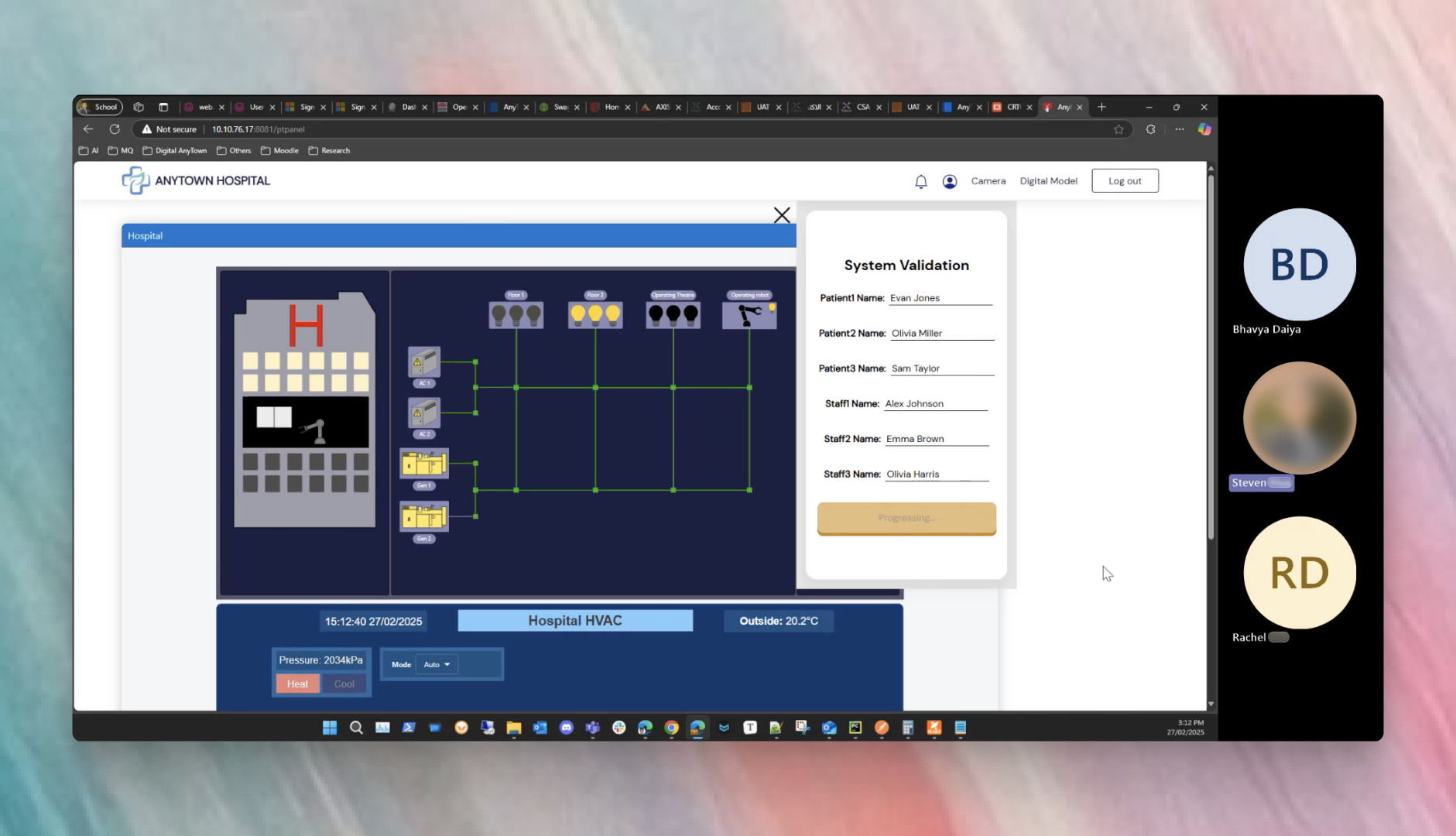
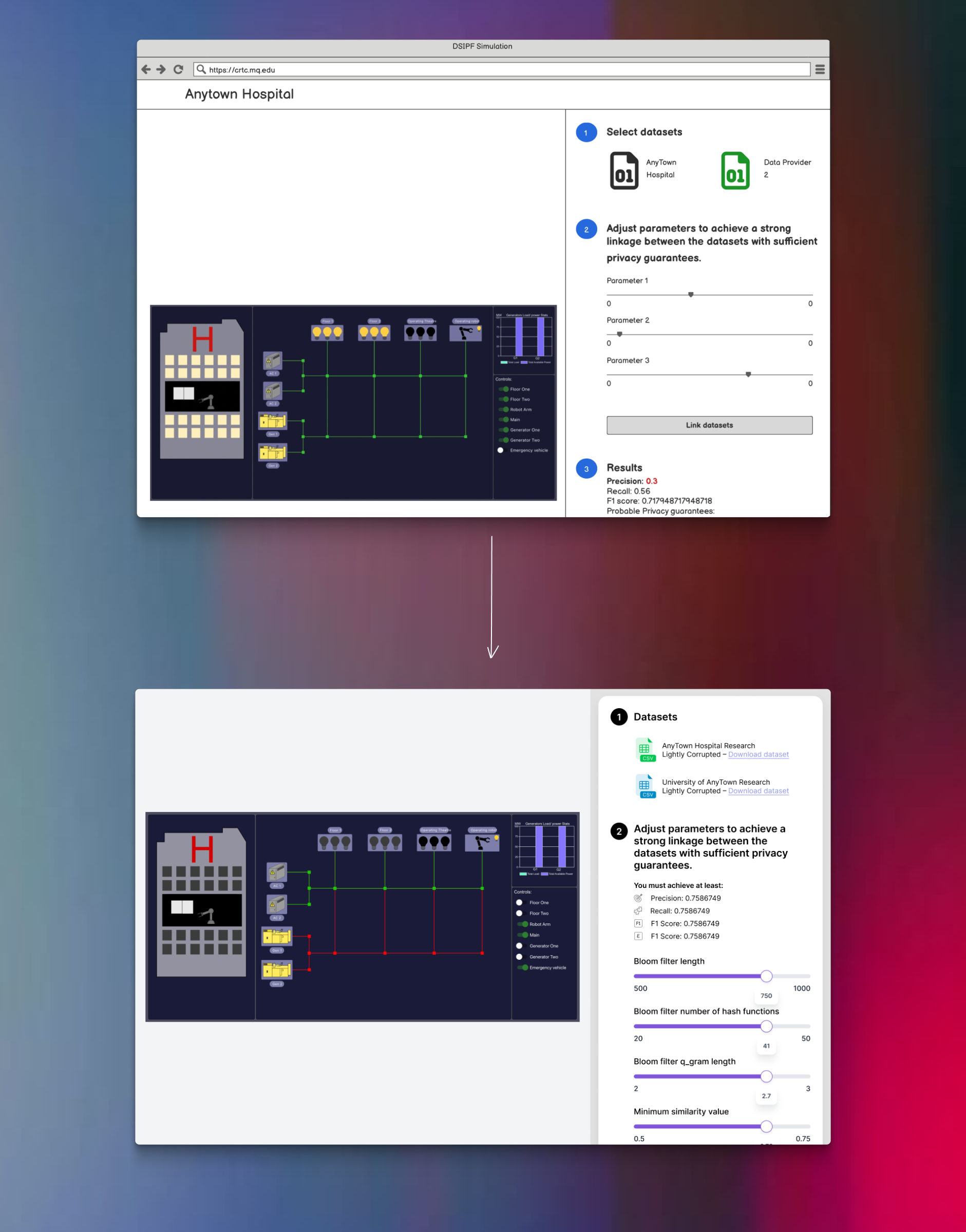
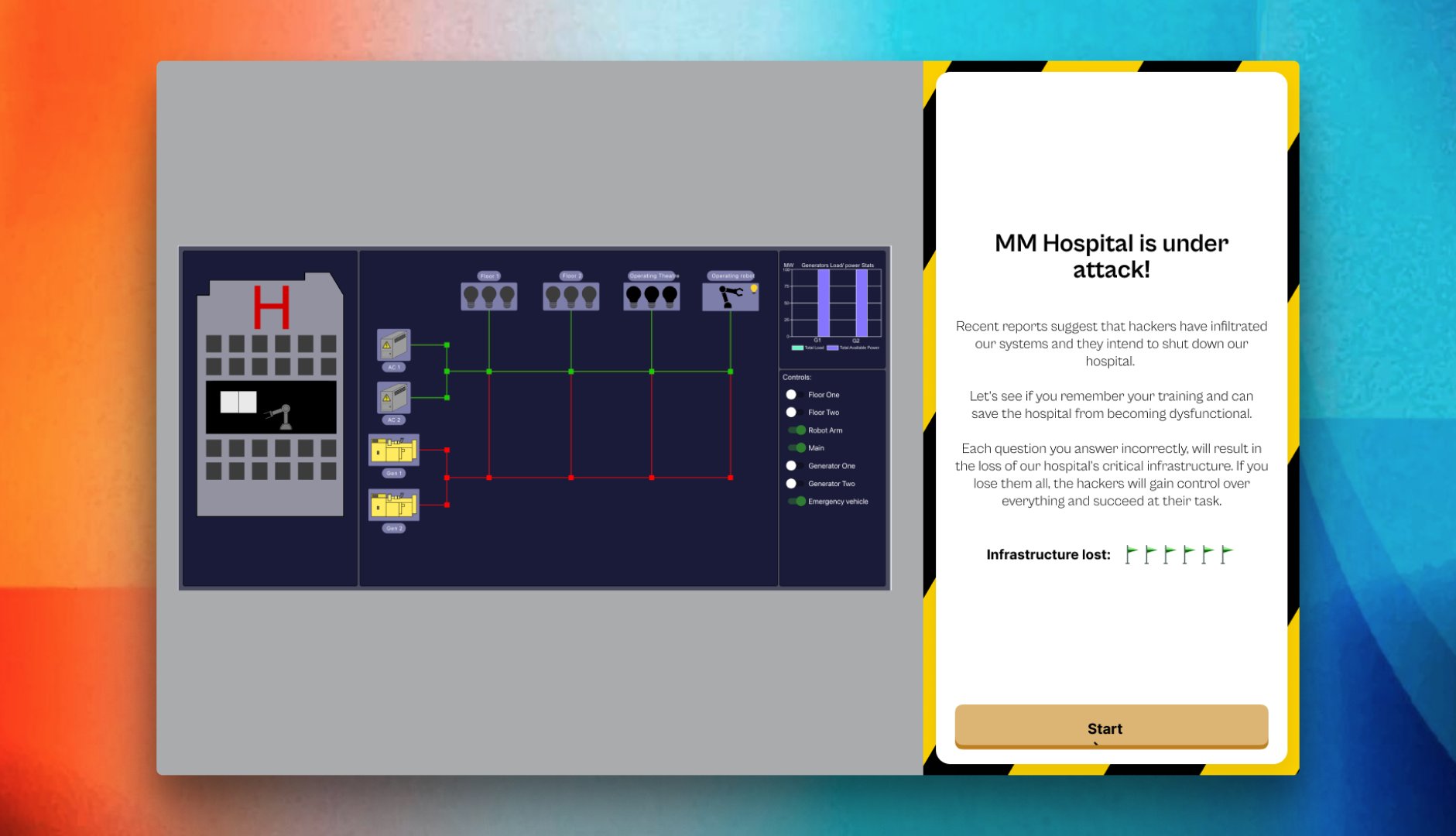
Next, I focused on the core learning experience. I facilitated co-design workshops with cybersecurity SMEs, mapping attack and defense scenarios on a whiteboard. This process allowed me to translate their expert knowledge into guided, step-by-step user flows. I then designed the simulation interfaces, using clear visual hierarchy and data visualizations to make complex events understandable and interactive for learners.

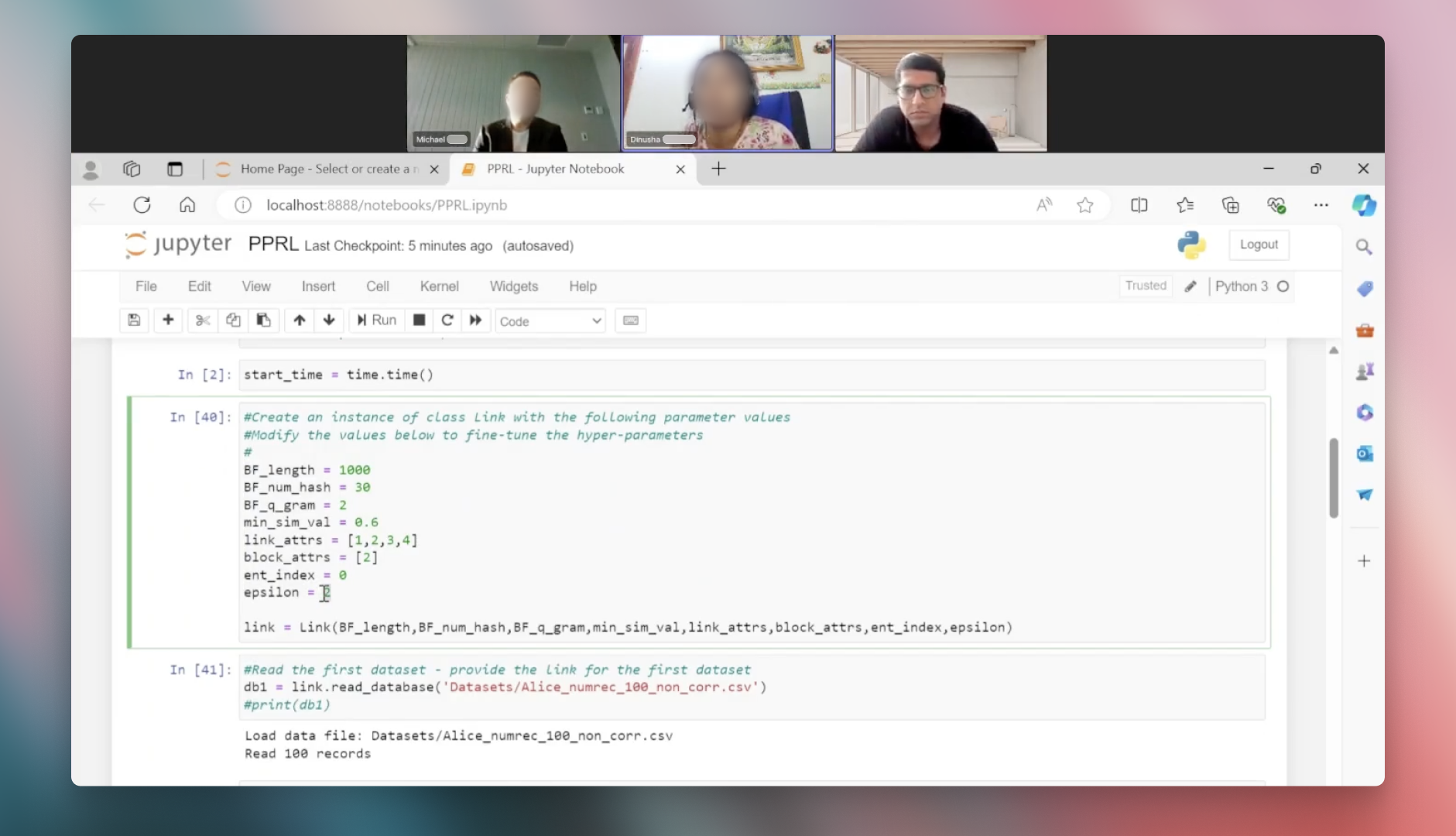
Testing simulation MVP with developers to ensure technical feasibility.
SME workshop to validate simulation flows and learning objectives.
A simulation interface where students can analyze network traffic and identify threats. The design uses clear visual hierarchy and data visualizations to make complex events understandable and interactive for learners.

3. Solution: Streamlining Cross-Institutional Lab Access with SSO

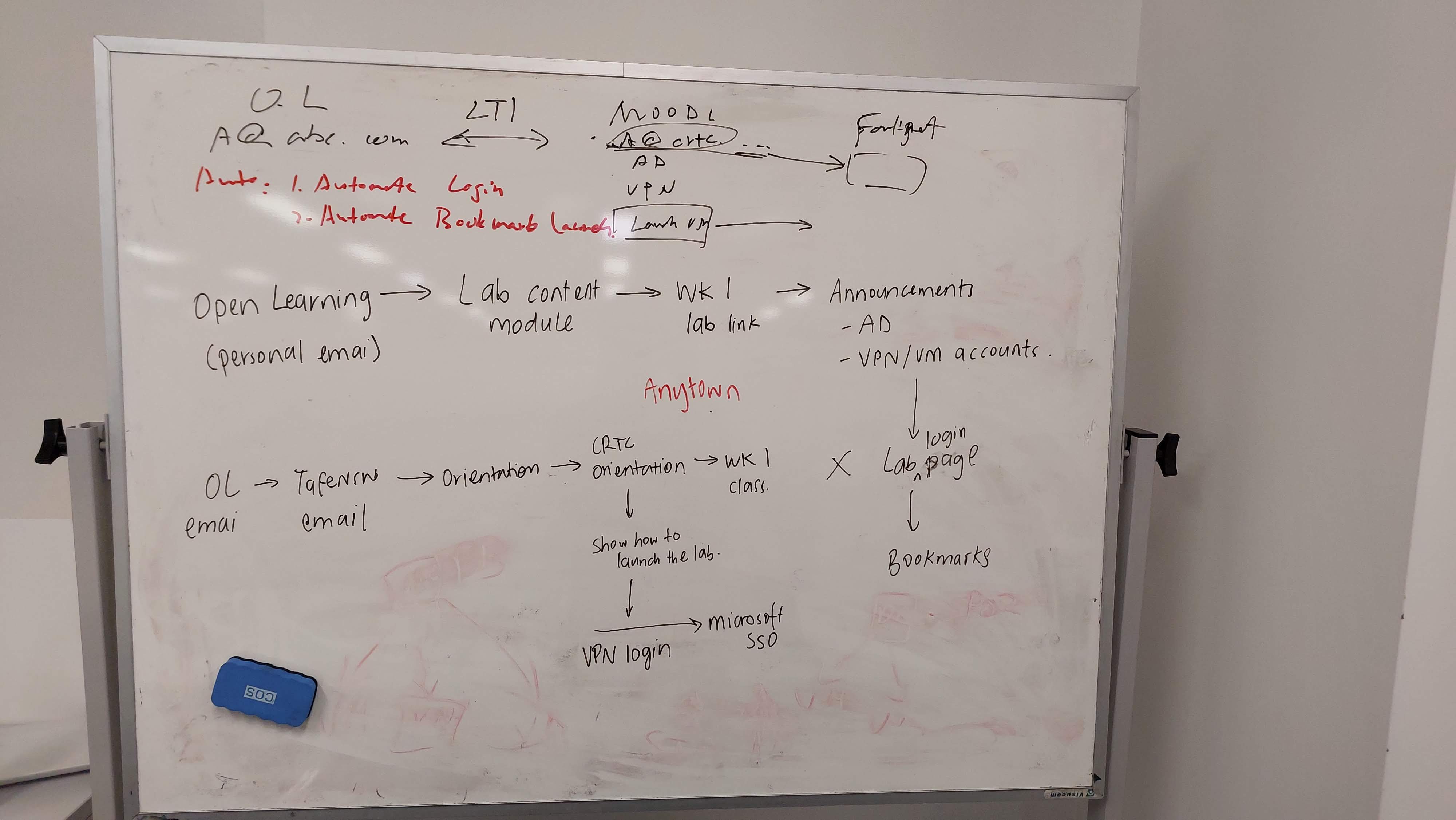
Finally, I addressed the critical access barrier for TAFE NSW students. I mapped their frustrating, multi-login journey and identified the manual VPN authentication as the primary friction point. I used this evidence to advocate for a Single Sign-On (SSO) solution. The new design replaced the fractured process with a single-click launch, making the technical handoff between the two institutions invisible to the student.

A whiteboard mapping of a student's journey from discovering the program to accessing their labs.

05. Outcomes

My work established the foundational user experience for the entire CRTC initiative, leading to key outcomes:

  • A Complete User Journey: Students now have a clear, cohesive path from first discovering the program on the website, to engaging with the simulations, to seamlessly accessing their labs via SSO.
  • A Scalable Design Framework: The design patterns and components I created were used to successfully launch all 16 cybersecurity micro-credentials.
  • A Proven Partnership Model: The frictionless SSO journey set a new standard for TAFE NSW and MQU, creating a successful and scalable template for future cross-institutional collaborations.
  • A Gateway for New Students: The website I built single-handedly launched the CRTC's public presence, directly supporting marketing efforts and driving awareness of scholarships.

06. Lessons Learned

My biggest takeaway was the power of UX to act as the "glue" in a complex project. My role was to be a translator: translating expert knowledge into simple learning experiences, the program's value into a public website, and the needs of two institutions into a single, seamless journey for the student. It proved that a holistic approach to UX—addressing every barrier from discovery to final access—is essential for creating a truly successful product.

Let's Create Something Remarkable.

I'm currently available for freelance projects and collaborations. If you have an idea you're passionate about, a problem that needs solving, or just want to connect, I'm all ears... or eyes?.

Email copied to clipboard!